
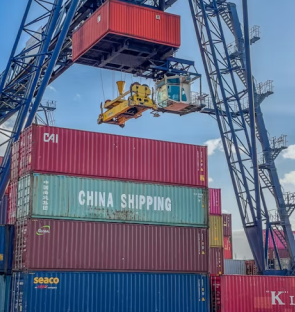
Many executives view the supply chain as a mere cost center—a back-office necessity for moving items from point A to point B. However, top-performing companies recognize that a modern, optimized supply chain is actually a powerful engine for business growth.
When aligned with business strategy, your logistics network directly drives revenue, customer loyalty, and market expansion. Here is how a strategic supply chain accelerates business growth.
1. Elevating the Customer Experience
Growth is impossible without customer retention. Today’s buyers demand speed, accuracy, and transparency. A well-oiled supply chain ensures products are consistently in stock and delivered on time.
- Real-time tracking builds consumer trust.
- Fewer fulfillment errors protect your brand reputation.
- Seamless return processes turn one-time buyers into loyal advocates.
2. Unlocking Working Capital
Invoicing and sales mean nothing if your cash is trapped in excess inventory. Slow-moving stock ties up vital capital that could otherwise fund marketing, R&D, or hiring.
- Just-In-Time (JIT) strategies minimize warehousing overhead costs.
- Predictive demand analytics prevent overordering and stockouts.
- Improved cash-to-cash cycles free up liquidity to fund aggressive expansion.
3. Enabling Rapid Market Expansion
Entering a new geographic region or launching a new product line requires immense operational agility. A scalable supply chain infrastructure allows businesses to pivot without starting from scratch.
- Third-Party Logistics (3PLs) grant instant access to global distribution networks.
- Cloud-based inventory management lets you oversee multiple sales channels seamlessly.
- Flexible sourcing helps you bypass localized regional disruptions smoothly.
4. Maximizing Profit Margins
Revenue growth is hollow if inflation and inefficiencies swallow your margins. Strategic sourcing and logistics optimization directly impact your bottom line.
- Bulk freight negotiation lowers the total cost per unit shipped.
- Route optimization software slashes fuel consumption and transit delays.
- Automation in warehousing reduces manual labor costs and processing bottlenecks.
5. Building Resiliency Against Disruption
Market volatility is the new normal. Businesses with rigid supply chains break during geopolitical shifts, material shortages, or climate events. Resilient supply chains convert disruptions into market-share gains.
- Multi-sourcing critical components eliminates single points of failure.
- Geographic diversification protects production timelines from localized shutdowns.
- Agile networks allow you to fulfill orders when competitors face stockouts.
The Bottom Line
Supply chain management is no longer just an operational checkbox. It is a foundational pillar of corporate strategy. By investing in logistics visibility, automation, and strategic vendor partnerships, you protect your margins while creating a scalable foundation for long-term business growth.