
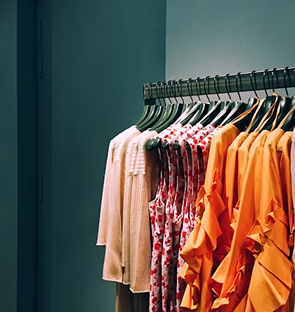
The global apparel industry is facing a massive cultural reckoning. For decades, the fast fashion business model thrived on cheap labor, synthetic fabrics, and rapid disposal cycles. However, consumer awareness is shifting dramatically as sustainable fashion continues to grow and redefine the industry standard. Today, style is no longer just about aesthetics; it is an active reflection of personal values.
The Rise of Conscious Materiality
Modern consumers actively investigate what their clothing is made of and who made it. Demand has surged for organic cotton, linen, hemp, and innovative recycled fabrics. These alternative textiles require significantly less water and fewer toxic chemicals to produce compared to conventional materials. Brands that transparently map out their supply chains and guarantee ethical working conditions are rapidly gaining market share over traditional retailers.
Embracing the Circular Economy
The sustainable movement has fueled a massive boom in the circular clothing economy. Thrifting, vintage shopping, and online resale platforms are no longer niche habits—they are mainstream trends. Consumers are proudly embracing a “buy less, choose well, make it last” mindset. Rental services for formal wear and everyday clothing items have also gained immense traction, allowing people to enjoy variety without contributing to landfill waste.
Quality Over Quantity
Choosing sustainability means prioritizing durability over cheap, disposable trends. Ethical garments are built to survive washes, wears, and years of use. While the upfront cost of sustainable clothing can be higher, the cost-per-wear value makes it a smarter long-term investment.
Sustainable fashion is proving that it is not a temporary trend. It represents a permanent, necessary evolution toward accountability, high quality, and ecological preservation.